Riverfront campsites vs. beachfront spots: which Sand Island view is for you?
Picture yourself stepping off the marina shuttle and onto soft sand, a light river breeze in your face, and Mt. St. Helens glowing in the evening light. On Sand Island in St. Helens, you get two genuinely distinct ways to soak that in: classic riverfront campsites along the Columbia's edge, or sandy beachfront spots tucked into the island's dunes and beach point.
Both deliver water, sky, and ship watching in spades. The feel on the ground is different enough, though, that it can shape your whole weekend depending on which one you pick.
This guide helps you choose your vibe with a clear picture in mind, answers the planning questions people ask most, and points you toward the right site type for your group size. You'll also find simple tips for wind, sand, and happy pups along the way. When you're ready, reserve early for peak summer weekends, because the best views go fast.
The scene and the feel
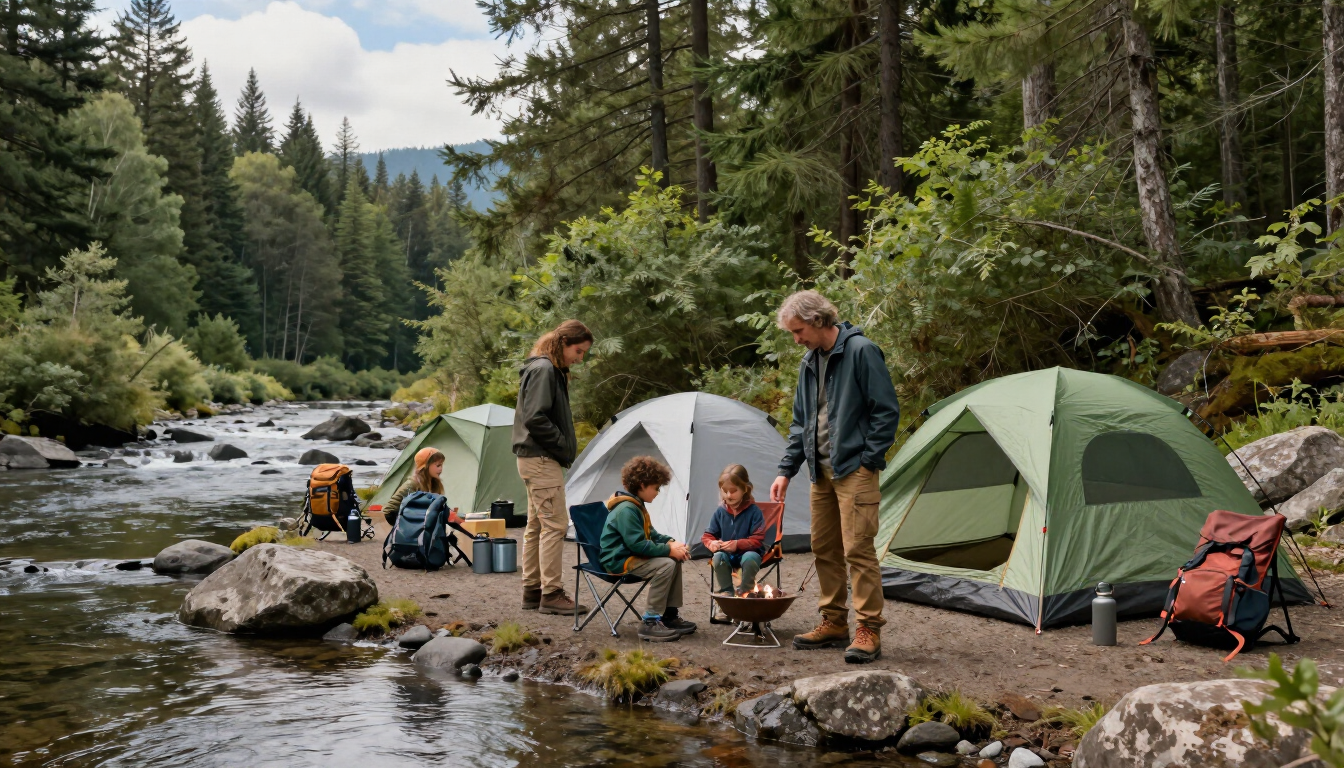
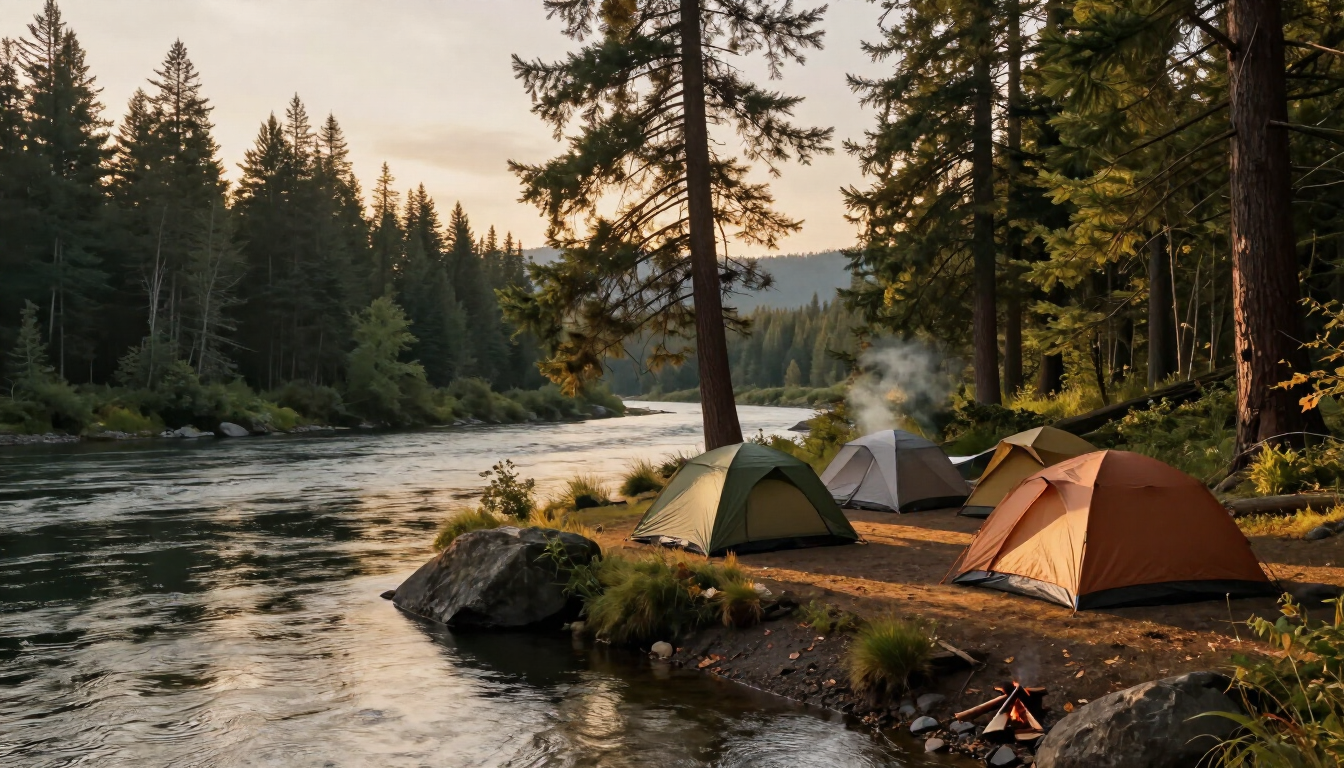
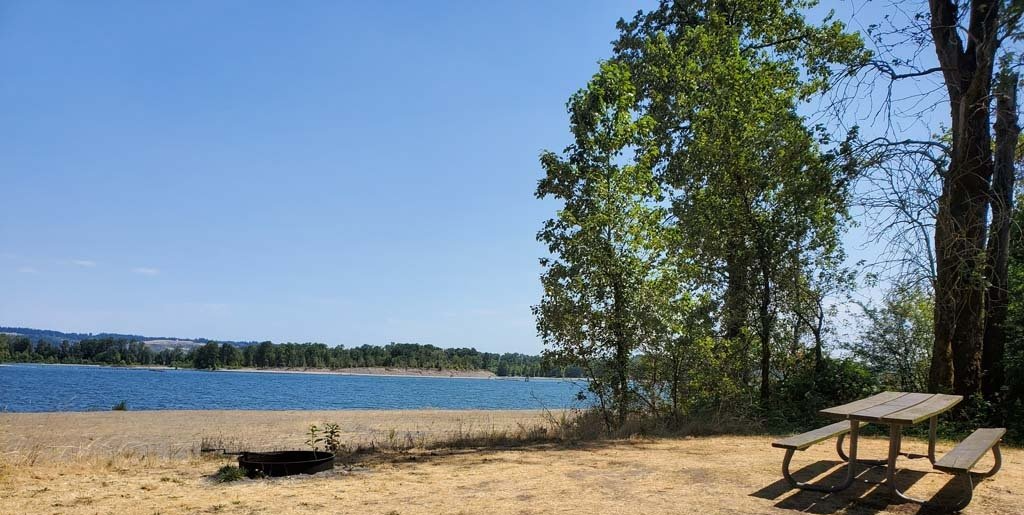
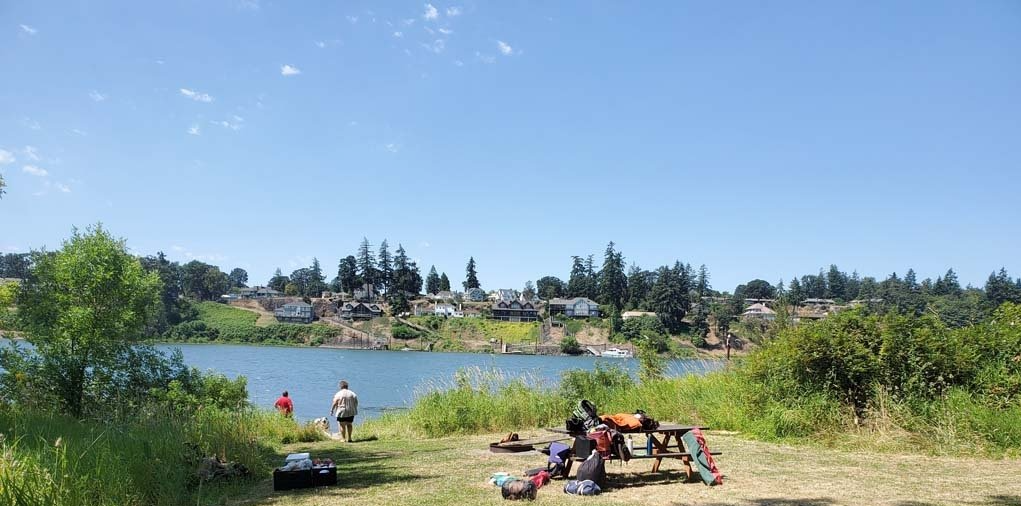
Riverfront puts you right on the Columbia with a wide channel in view, passing commercial ships, and postcard angles on both Mt. Hood and Mt. St. Helens on a clear day.
Mornings here tend to start calm, almost glassy, before the breeze builds through midday, and sunsets paint the river before the last light drops behind the Coast Range hills along the channel. Beachfront sits on or near the sandy beach point instead, with a softer, more playful feel — the dunes and beach berms create a natural buffer from the main channel, which makes it easy to spread a blanket, run casual games, or meander down to the waterline without much of a plan. Sunrise tends to come in bright over the river from here, while golden hour leans warm and mellow across the sand rather than dramatic.
Both areas share the same soundtrack of gulls, riverbirds, and distant marina chatter, and both place you just steps from island trails, bathrooms, and the dock system, whichever one you choose.
Views, wind, and light
Clear days give you Mt. St. Helens to the north and Mt. Hood to the east from almost anywhere on the island, though riverfront sites usually offer the widest panorama of both peaks in a single sweep, while beachfront spots can frame the same mountains with dune grass and open sky for a softer photo, especially around sunrise. If ship watching is your thing, riverfront puts you front row for tugs, barges, and deep-water traffic sliding past, though beachfront campers still catch plenty of the action, just a little further set back from the water.
Wind tells a similar story: the Columbia is famous for its afternoon breezes, and riverfront sites feel that earlier and stronger, which can be genuinely refreshing on a hot day, while beachfront areas get a natural wind break from the dunes and vegetation, so conversation stays easy even when the flags are flapping.
Sunrise pops earliest along the beach and its eastern-facing pockets, while sunset drama is more pronounced over the channel from riverfront pads, with reflections stretching across open water as the light fades.
Proximity to docks, games, and trails
Getting around is easy from either zone, but a few small differences are worth knowing before you pick a site.
Camps near the riverfront paths sit a quick stroll from the docks, which matters if you're planning multiple trips on and off the island or want to catch the shower shuttle to the mainland without much walking first.
Horseshoes and cornhole live close to the main hub and are easy to reach from both areas, while the 12-basket disc golf course loops through breezier edges and calmer pockets alike — riverfront campers tend to reach the wind-kissed fairways fastest, while beachfront campers stroll up from the dunes to the first throws instead.
For trails, beachfront suits anyone who likes weaving along dune paths to find their own morning viewpoint, while riverfront is better suited to long, open-water walks at sunset when the light's doing something worth watching.
Who thrives where
Families tend to do best on beachfront, where spread-out play, sandcastle potential, and a genuine wind break make meal times noticeably easier, and the walk to the waterline stays leisurely enough to pivot from a game of tag straight into a disc golf loop.
Quiet sunset watchers belong on riverfront — bring a camp chair, face the channel, and let the light drift while ships pass in silhouette behind it. Paddlers and ship spotters do best on riverfront too, given how close it sits to the docks and fast access to kayak-friendly water.
New tent campers, meanwhile, often find beachfront gentler overall, with more forgiving sand underfoot and a more sheltered feel generally.
Site sizes and booking pointers
Picking the right size comes down to two straightforward tiers:
- Standard sites: for up to 6 total overnight guests, at $30 per night — the best fit for most families, couples, and small groups, and available in both riverfront and beachfront areas.
- Larger group sites: for 7 to 12 people, at $50 per night, booked specifically as sites #35, #36, #39, #51, or #53 — ideal for multi-family weekends or a group of friends wanting to stay together.
Reservations run online, with confirmation at payment. Check-in is 1:00 PM and check-out is 11:00 AM. Bring your own drinking water, and consider a couple of $5 firewood bundles while you're planning.
For smooth access on arrival, follow the marina steps posted with your booking, and if you're ready to lock in dates, our online campsite booking page is the place to pick your site and check availability.
Quick choose-your-vibe quiz
If you love the sound of waves lapping, plan on plenty of sand time, and prefer a mellow breeze in camp, beachfront is your answer. If you want the widest mountain panorama, live for ship watching, and enjoy an evening chair facing the channel, riverfront wins instead.
Traveling with toddlers who nap mid-day, or a dog that prefers calmer air? Beachfront again. Arriving with kayaks, a camera for sunset, and a disc in your daypack? That's riverfront territory through and through.
Practical tips for sand, wind, and pets
A handful of small habits make a real difference once you're actually set up on sand rather than grass:
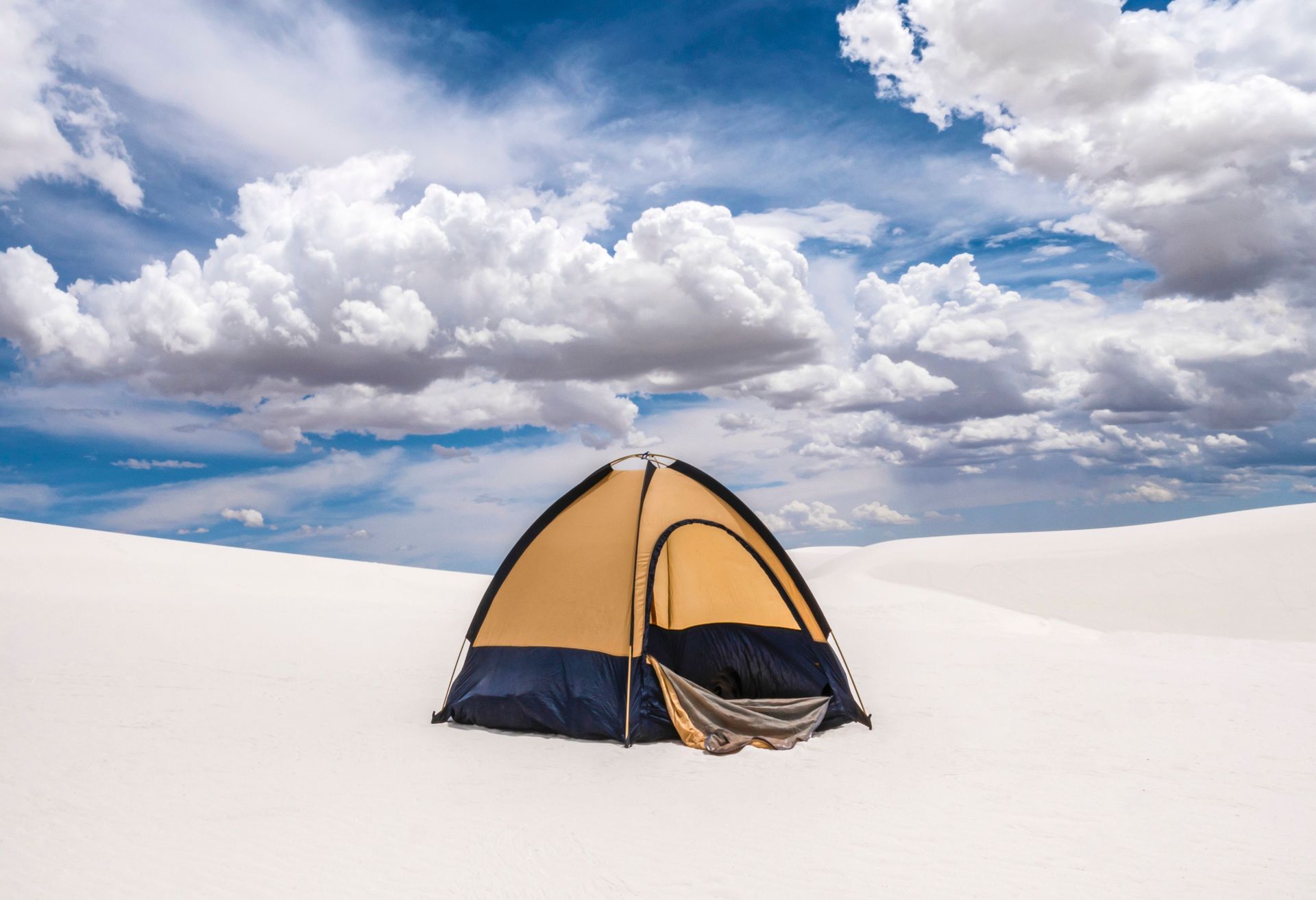
- Staking tents in sand: use longer stakes or sand anchors where you can; with only standard stakes, bury them horizontally with guy lines and pile sand on top, adding a few extra guylines to keep the fly tight once the breeze picks up.
- Managing wind: orient the tent's low end toward the prevailing river breeze, keep gear in soft-sided totes so nothing drifts off, cook in a sheltered nook rather than the full wind, and secure camp chairs at night if you're on the riverfront specifically.
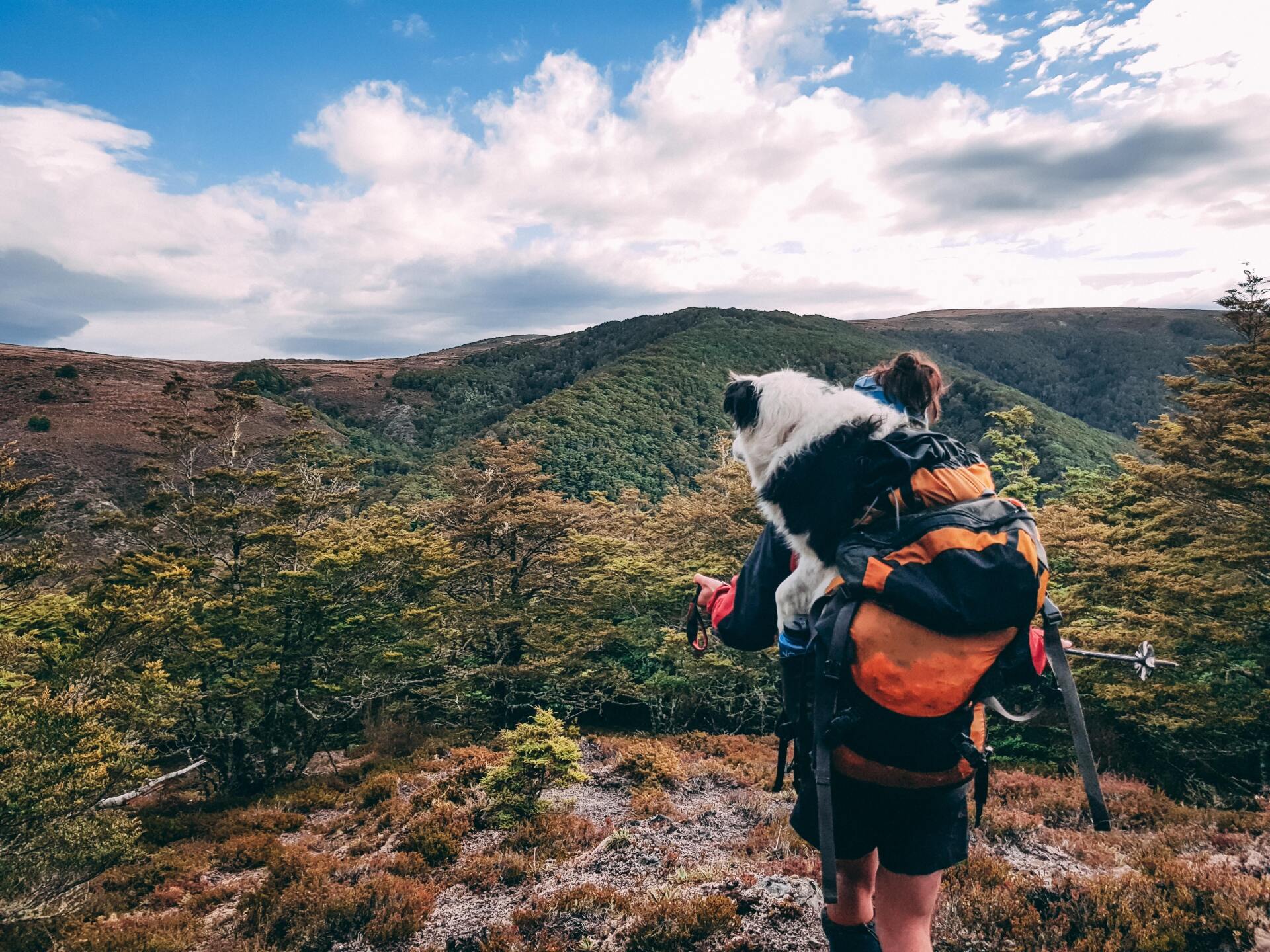
- Keeping dogs comfortable: leash control keeps pups safe around dunes, docks, and other campers; bring a shade mat and a collapsible water bowl, rinse sandy paws at the shoreline, and pack extra poop bags. If your dog tends to be vocal, a slightly set-back spot helps neighbours enjoy the quiet too.
Getting here and getting around
Arrive at the St. Helens Marina Launching Ramp, unload your gear, and ride the courtesy shuttle with your camp host. Bathrooms are on the island; showers are on the mainland and need a short shuttle ride to reach.
There's no running water or power on the island, so pack drinking water and a few lights before you head out. Sunshine Pizza can deliver to the pick-up spot at the marina, which tends to be a favourite move on the first night when nobody wants to cook.
If you want a closer look at river access, docks, and kayak-friendly edges before booking, our riverfront campsite page has more detail and photos to browse through.
FAQ: your top questions, answered
Where can you camp near St. Helens?
Sand Island Campground sits offshore from the St. Helens riverfront, reached by a courtesy marina shuttle. It's about 25 to 35 minutes from Portland depending on traffic, and close to Longview, Washington.
Can you camp along the Columbia River?
Yes — riverfront sites at Sand Island place you right along the Columbia with views of Mt. St. Helens, Mt. Hood, and passing ships. Beachfront sites sit a short walk away on the island's sand point instead.
What size campsite do you need for your group?
A standard site covers up to 6 guests at $30. Larger group sites — specifically #35, #36, #39, #51, or #53 — cover 7 to 12 guests at $50.
Are pets allowed at Oregon campgrounds?
Policies vary by location, but at Sand Island, pets are welcome when kept under control, cleaned up after, and respectful of neighbours.
Which Sand Island sites are best for families?
Families often prefer beachfront for softer ground, play space, and shelter from wind, though a riverfront pad can be just as much of a hit if your crew loves ship watching and wide sunsets.
Bonus picks for play
If disc golf is part of your weekend, the on-island 12-basket loop is worth building time around. Breezy days change shot selection and make every round feel a little different from the last, which keeps it interesting even on a repeat visit.
Cornhole and horseshoes are available to check out near camp, and easy trails wind out to scenic overlooks for a quick photo walk between rounds.
The short version
A quick recap if you're deciding on the fly:
- Choose beachfront for mellow breezes, sand play, and easy sunrise strolls.
- Choose riverfront for ship watching, big-sky sunsets, and the broadest mountain views.
- Book a standard site for up to 6 guests, or one of the larger group sites — #35, #36, #39, #51, #53 — for up to 12.
- Bring water, longer tent stakes, and a plan for wind; keep pets leashed and comfortable throughout.
Peak summer fills quickly, so reserve early for holiday and weekend dates if you want to claim the view that actually fits your vibe.